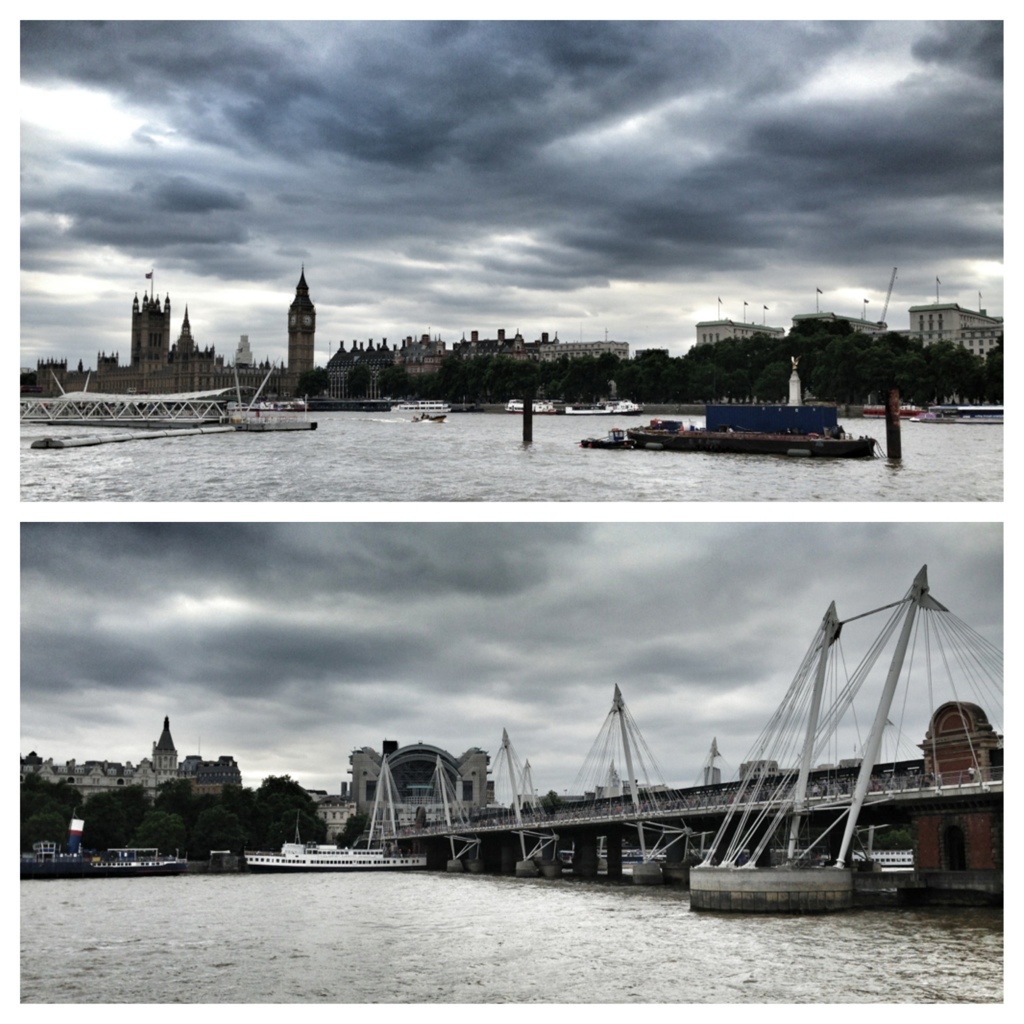
Brooding Sky’s over the Thames

20130815-125109.jpg

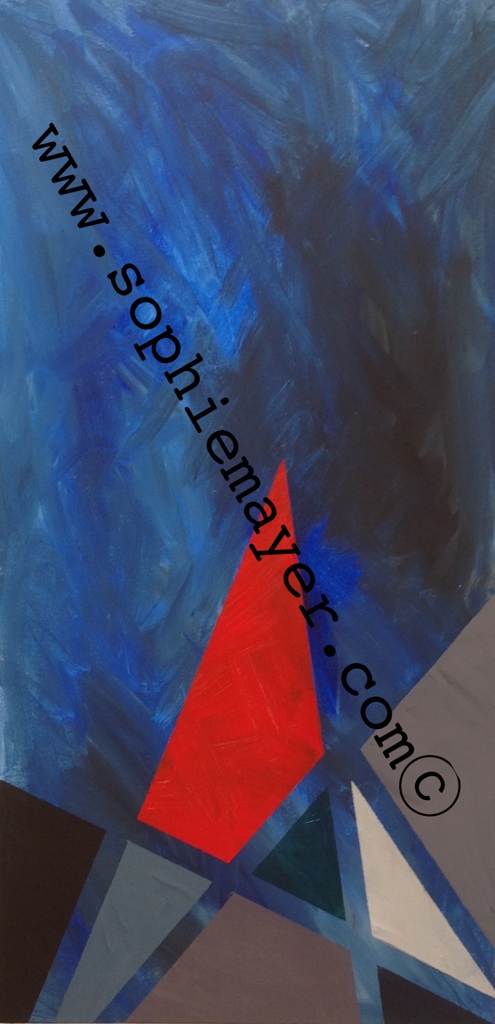
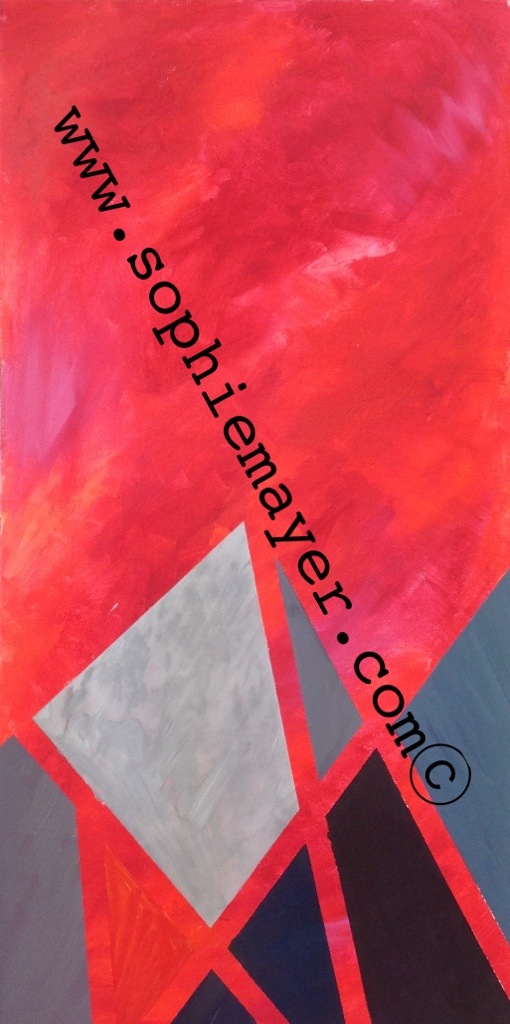
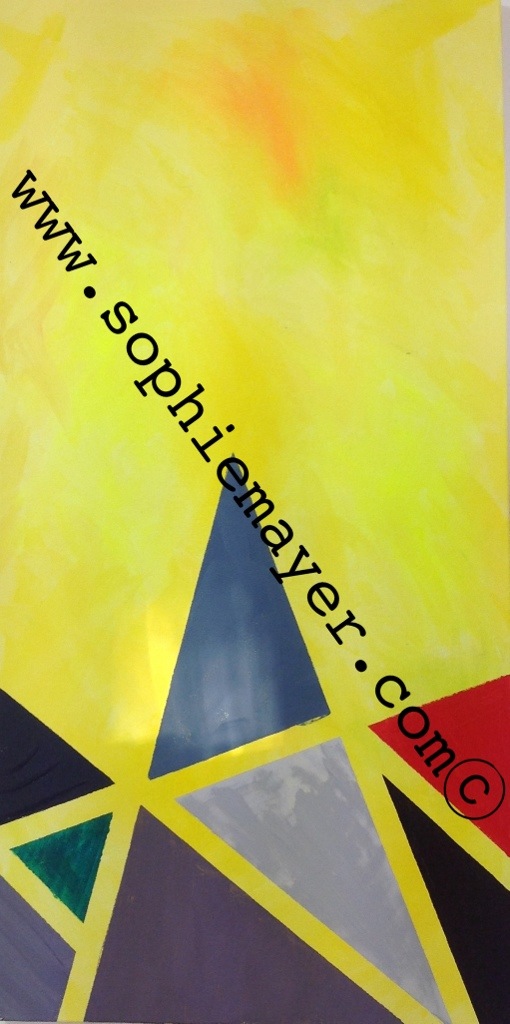
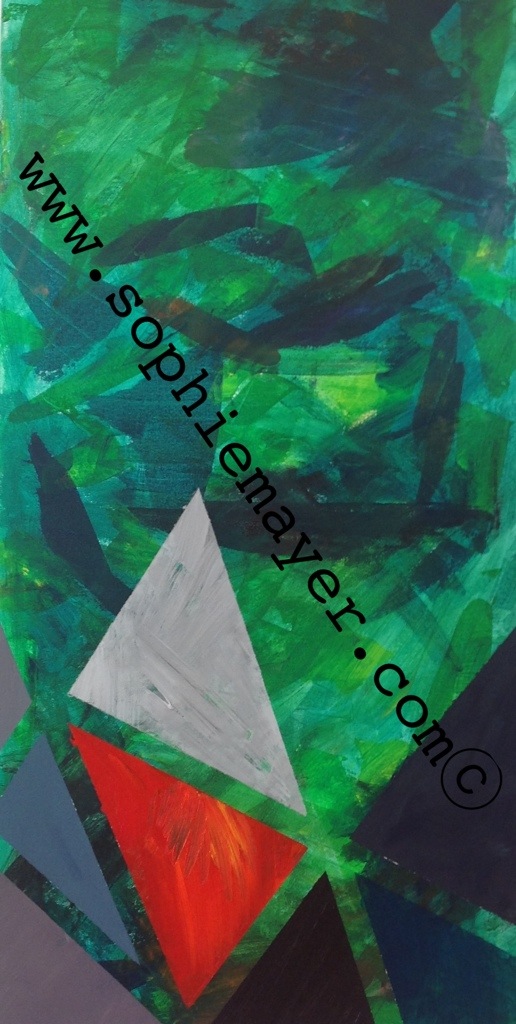
50×100 Abstract series – “Primary 1-4”

Primary 1-4” are the latest paintings in my abstract series.
The abstract series uses “rules”, always with 3 parts. I start with expressive mark making, trying to be free and unedited in working through an idea, or emotion. The second layer is about control emotions, forcing order, and form. The paintings are varnished.

20130810-021112.jpg

20130810-021117.jpg

20130810-021121.jpg

20130810-021125.jpg

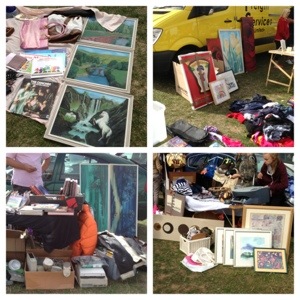
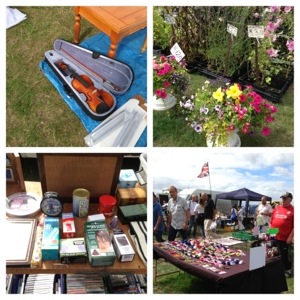
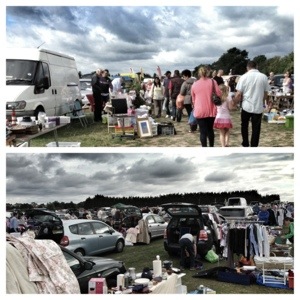
One persons junk is another’s treasure

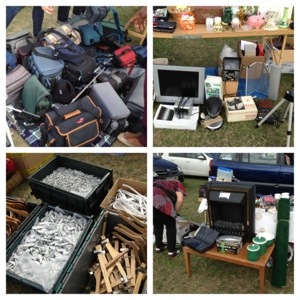
Car booted today with my mum. It is amazing seeing people’s thing! One persons junk is another’s treasure!

20130811-195326.jpg

20130811-195331.jpg

20130811-195335.jpg

20130811-195339.jpg

20130811-195345.jpg

20130811-195356.jpg

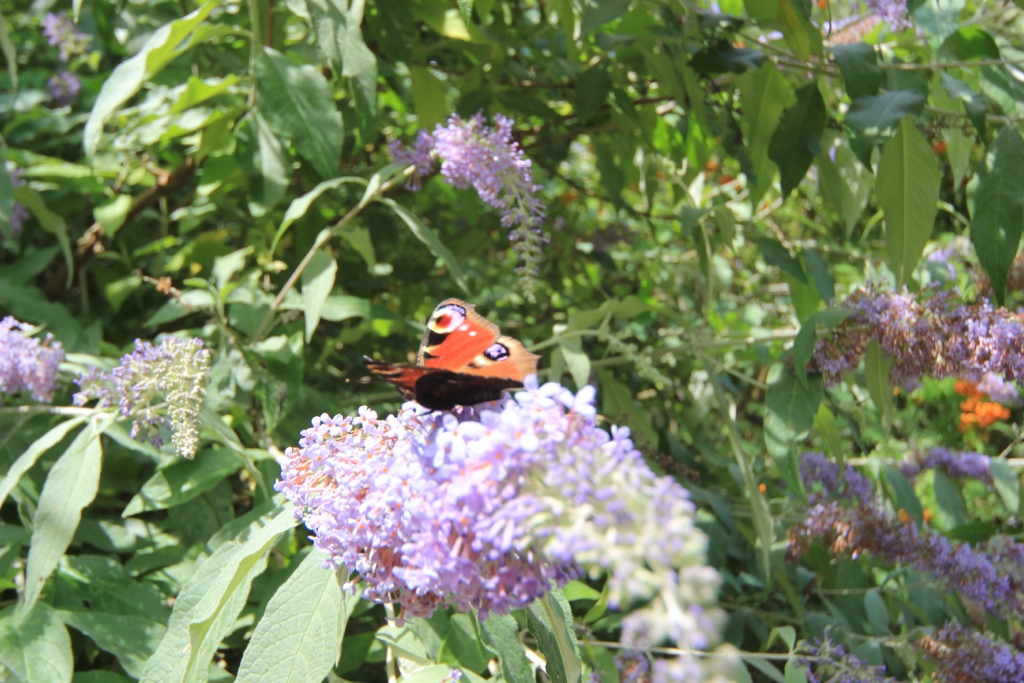
Beautiful England but where have all the butterflies gone?

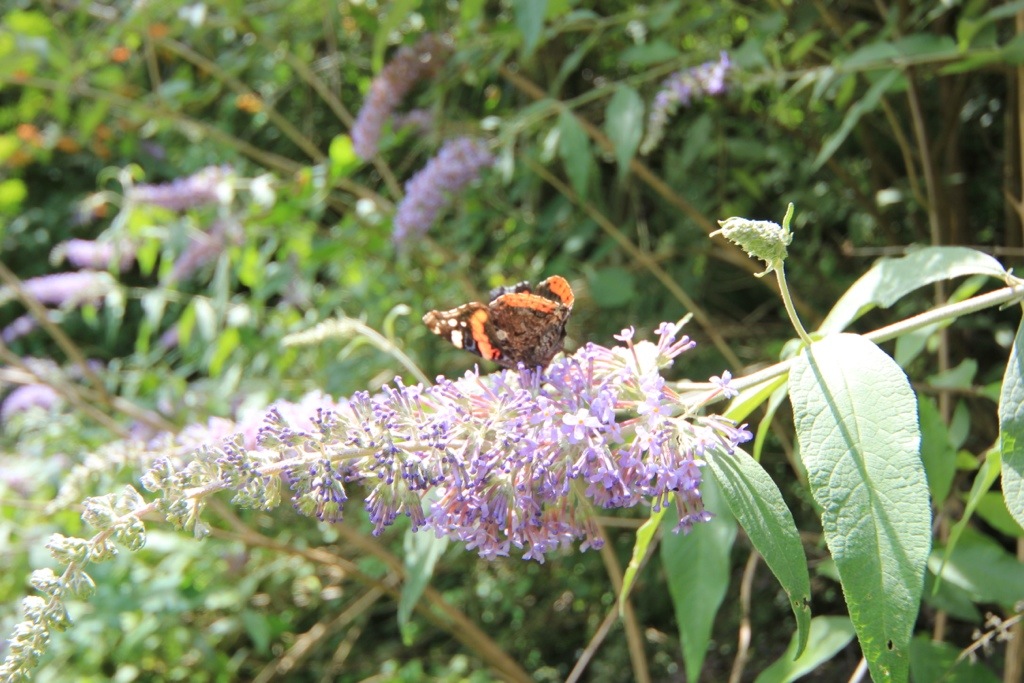
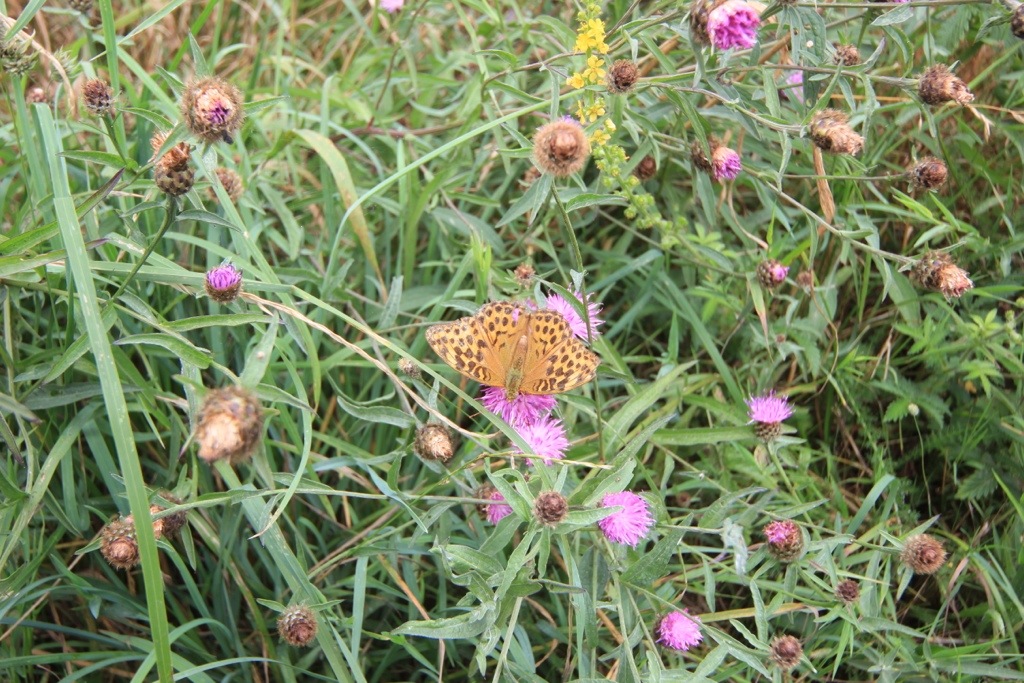
When I was a child I remember butterflies, red admirals, peacocks, tortoiseshell (and cabbage whites). I hardly ever see any now, and blame the chemicals used in agriculture etc. BUT on my trip to Goodwood I was delighted to find lots in a giant Buddleja bush and more in a near by field!

I love these creatures for their pattern, colour and energy, and am making it my mission to encourage them into my little garden in London.

If anyone has got any advice on what to plant, or how to get them to live there, let me know!

20130807-112117.jpg

© 2013 http://www.sophiemayer.com

20130807-112130.jpg

20130807-112142.jpg

20130807-112155.jpg

© 2013 http://www.sophiemayer.com

Explorations with photography – abstraction through colour removal and composition

20130807-143300.jpg
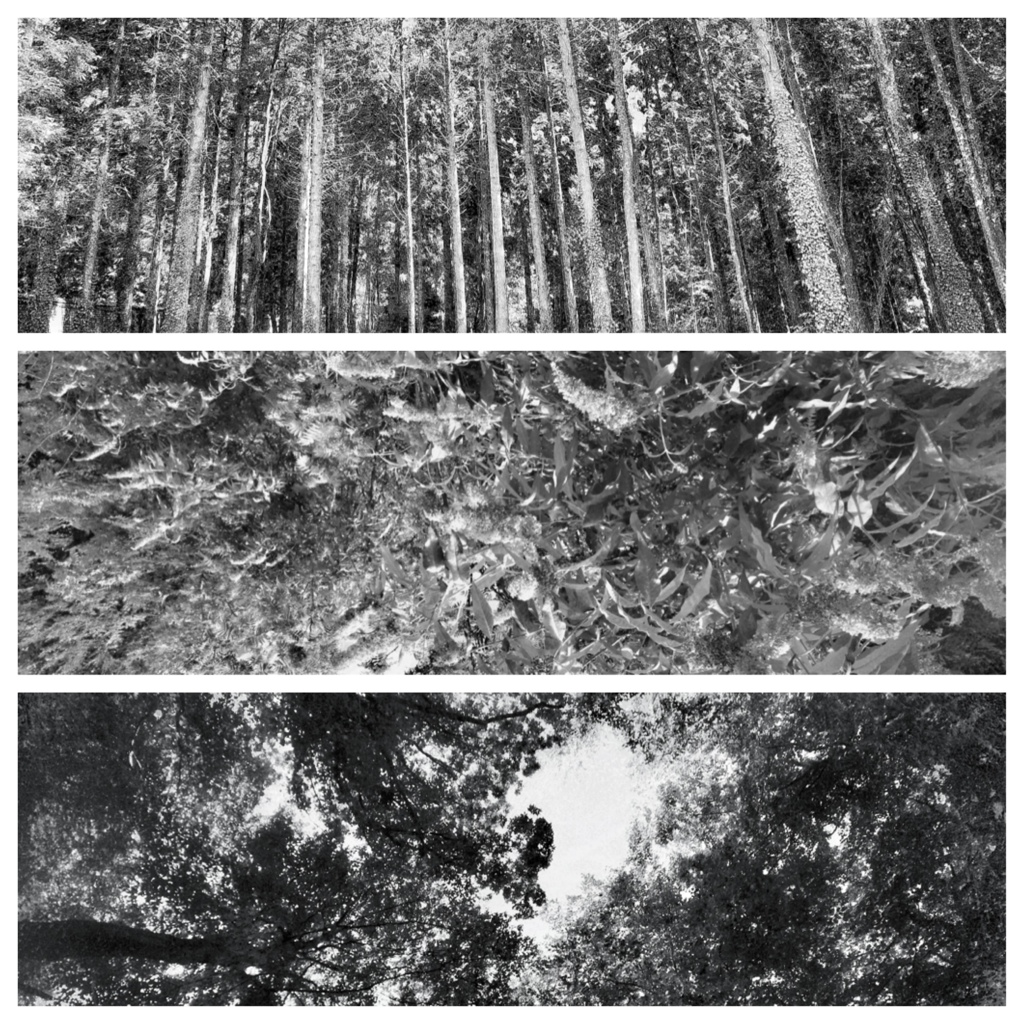
Explorations with photography – abstraction through colour removal and composition. Photographs taken of woodland,and plants. The images are put through multiple colour correction processes, changed to black and white, cropped, rotated, and recessed again.

During the process I hold ideas of composition loosely,I try to be experimental, to allow something to evolve naturally, to learn something about the image through the process of making.

© 2013 http://www.sophiemayer.com

Saturday addiction 1- work I like highlight

This was supposed to be called Saturday Addition, but my dyslexia turned it to addiction, and I think that works Better, as i feel more documenting and hoarding of images, and information on exhibitions i have been to and work i have seen is a bit of an addiction! The aim is to post each Saturday on a piece of work, or body of work, I have found, love, or hate. It is a space for me to keep researching and looking outward to help me reflect inward on my own work.

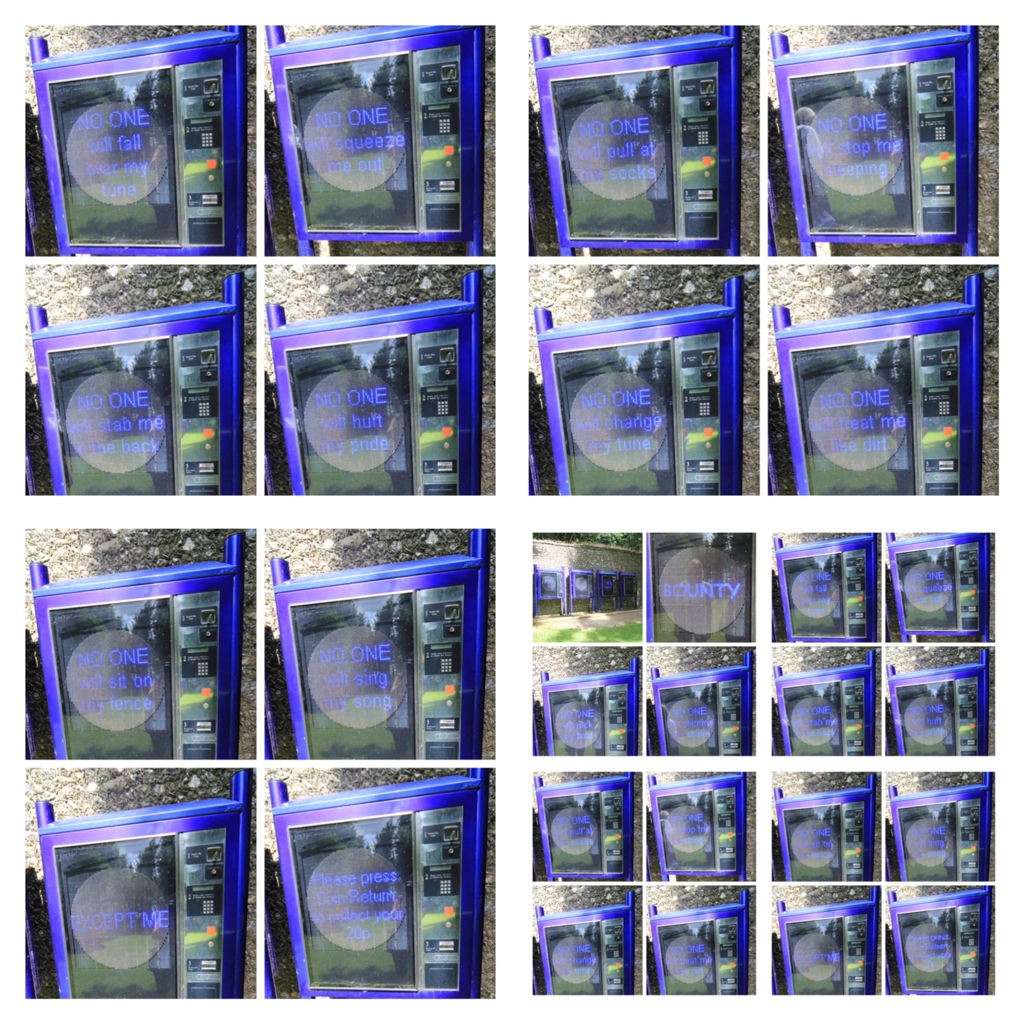
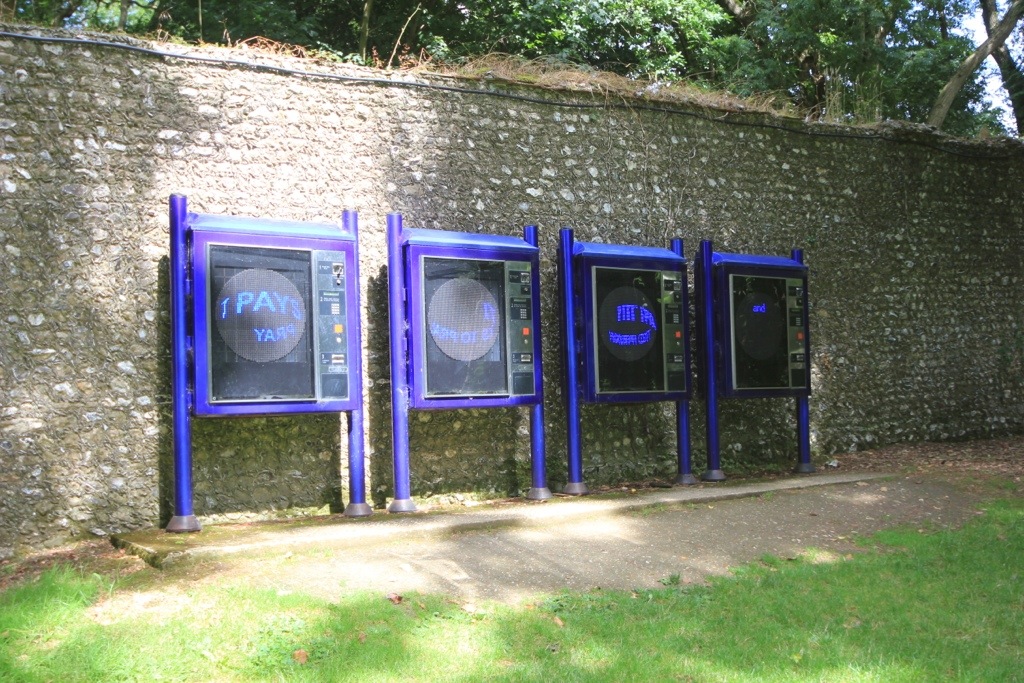
The first piece I am looking at I originally saw many years ago, and have recently been back to see. “It Pays to Pray” by ROSE FINN-KELCEY (1999) is exhibited at Cass Sculpture Park. This work is an interactive series of machines, similar in structure to a confectionary machine. You insert 20p and select a “prayer” like you would a chocolate. Each prayer is named after a chocolate bar (I chose bounty because the advert says it is “the taste of paradise”). At the end of the prefer you get your money back.

20130807-151706.jpg

20130807-151718.jpg

I love work that is interactive, I feel like I am part of it, that by participating I am being given a gift, insight or knowledge, that I wouldn’t get as a passive observer. This work is interactive, it is based on confectionary machines (which we all love). It taps into that wonderful feeling when you put your money in and the machine gives you too much change, it feels like you have a little victory against the system, getting something for free when we know that nothing comes for free, and nor is this free. You give trust (our 20p) and time to the machine, we get the gift of the prayer and the participation in a piece of art.

I love the ageing of the work through the names of the chocolate bars. It gives a wont full sense of nostalgia. The beauty of the rose tinting that looking back on the past does.

© 2013 http://www.sophiemayer.com

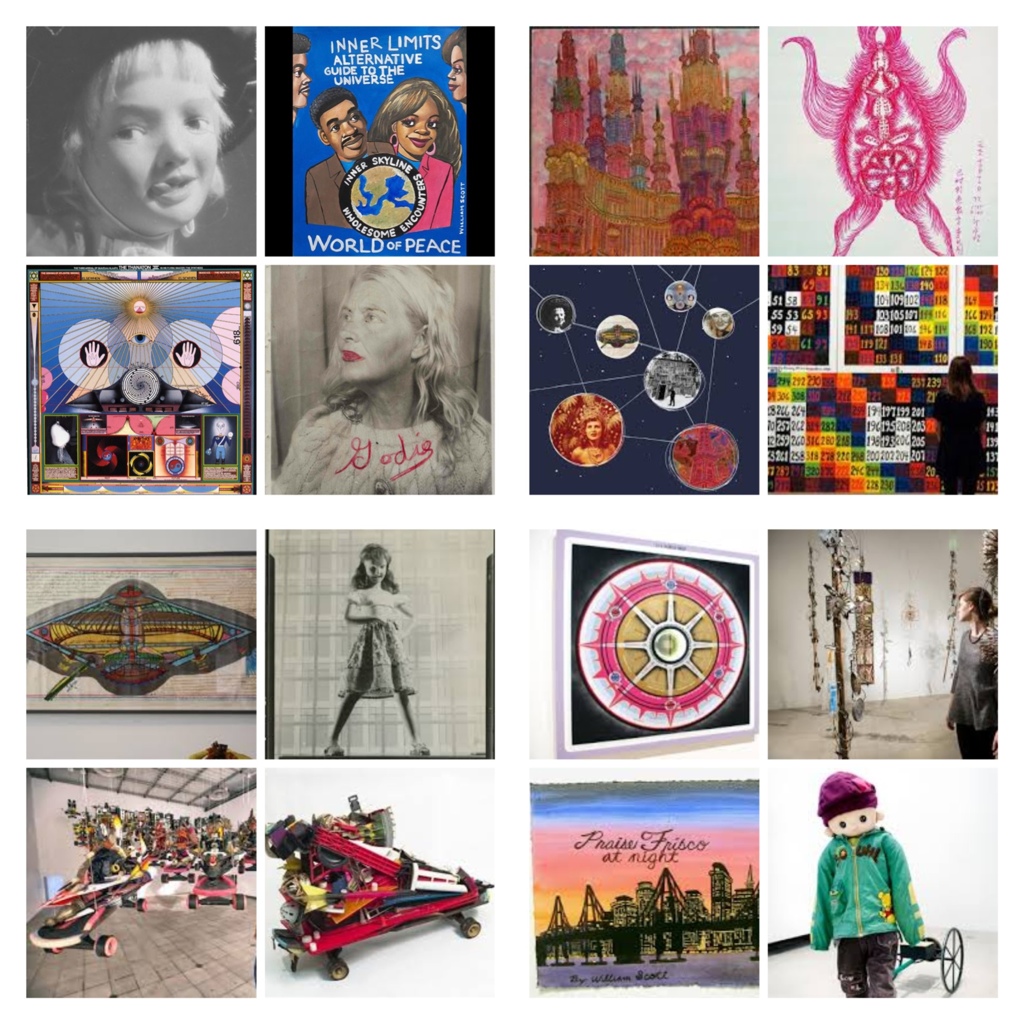
The Alternative Guide to the Universe

The Hayward Gallery is Currently running The Alternative Guide to the Universe (11 June – 26 Aug 2013)

“The Alternative Guide to the Universe explores the work of self-taught artists and architects, fringe physicists and visionary inventors, all of whom offer bracingly unorthodox perspectives on the world we live in.”

The exhibition shows work that sits on the fringe of hippy/crystal shop/occult and science/fine art. The of artists use different materials, starting points and concepts to discuss life and what happens after, as they understand it.

I found the exhibition thought provoking and humerus, sensitive and naive, considerate and disturbing, influential and forgettable. Much of my own work considers codes, seeking answers, working through processes, so much of the work I found direct relationships. I loved the information on the artists, coming from different paths to create their vastly different forms of work. I love the idea of an exhibition asking the big life questions, what happens when we die, are there aliens,or is there an ultimate code?

I went there accidentally, and reflecting I think it is the lack of hype for the exhibition, the lack of “big name artists”, and maybe the subject that meant I didn’t register on my things to do list. I don’t think I am the only one, as it was relatively empty when London seems full. I would recommend this exhibtion, it is refreshing to see something different!

Images from google image (search exhibition title)

20130806-024346.jpg

Reviews:
The Guardian
The Telegraph
The Evening Standard

© 2013 http://www.sophiemayer.com

Pallent house 2- Eduardo Paolozzi: Collaging Culture

Pallent House – current exhibition.
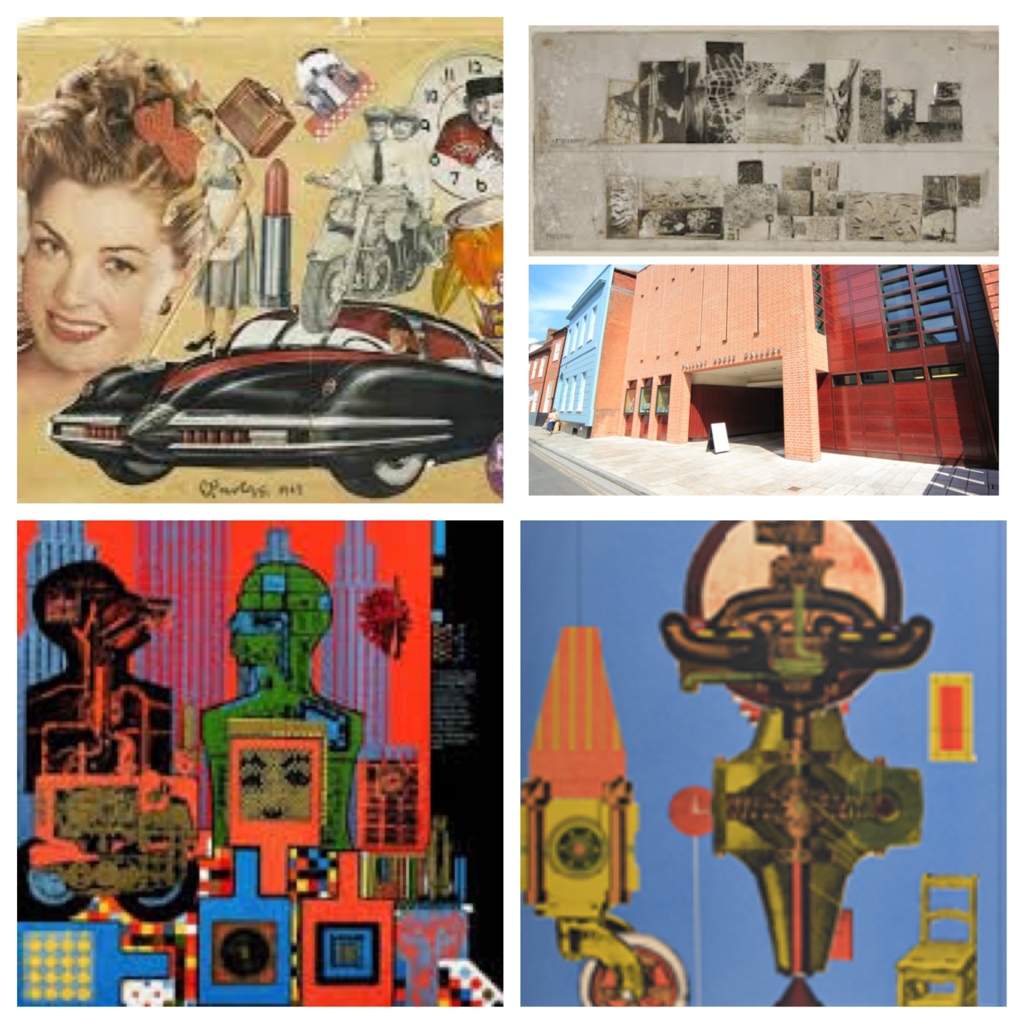
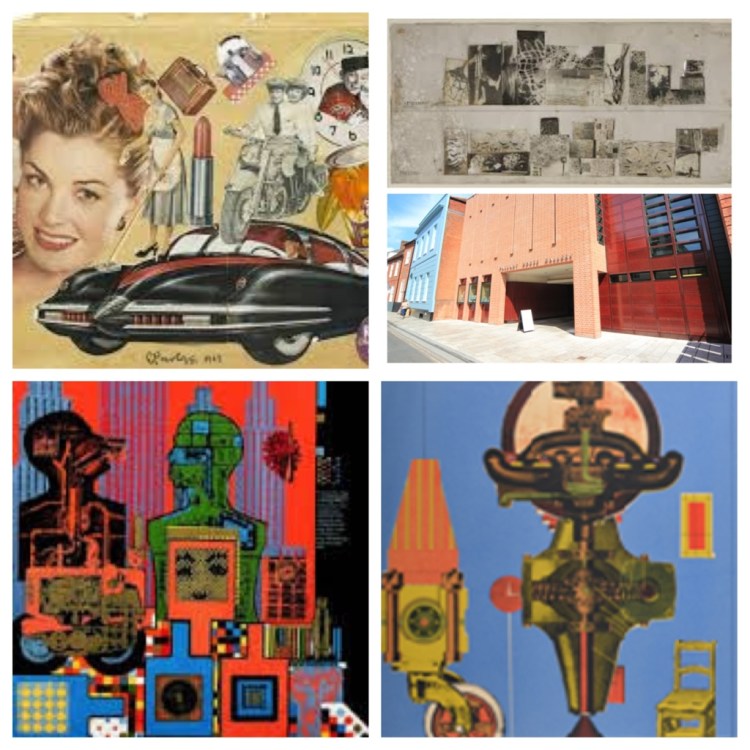
Pallent house and Cass Sculpture Park is currently showing work by the Scottish/Italian artist Eduardo Paolozzi. I feel his work shows the time, post war, new consumerist goods, culture and aesthetics, popular culture, with a hint of post war depression and bad memories. The exhibition shows a good range of his work and use of different materials.

What the gallery has to say:
“Eduardo Paolozzi: Collaging Culture

6 July – 13 October 2013

A major retrospective of the work of Eduardo Paolozzi (1924–2005), one of the most inventive and prolific of the British artists to come to prominence after the Second World War, featuring around 150 works in a variety of media including sculpture, textiles, prints, ceramics and drawings.

Sir Eduardo Paolozzi RA (1924 – 2005) was one of the most inventive British artists to come to prominence after the Second World War. Although best known as a sculptor, he worked in an extensive variety of materials including ceramics, collage, drawing, film, jewellery, printmaking, textiles, and even the decoration of Tottenham Court Road Underground station.

This retrospective explores the central importance of collage as both a working process and an approach to bringing together disparate sources of inspiration, from Paolozzi’s iconic images cut from the pages of American magazines, to his robotic sculptures expressing man’s relationship with technology. It features over 150 works from across his career, including early sculptures influenced by continental Surrealism, his textiles for Hammer Prints Ltd. and Horrockses Fashions in the 1950s, his innovative screenprints that made an important contribution to British Pop Art, ceramics designed for Wedgwood and Rosenthal, and maquettes for his later public commissions.”

Reviews:
The Telegraph
Art Republic
Images from google images
20130807-095343.jpg

© 2013 http://www.sophiemayer.com
Studio day.

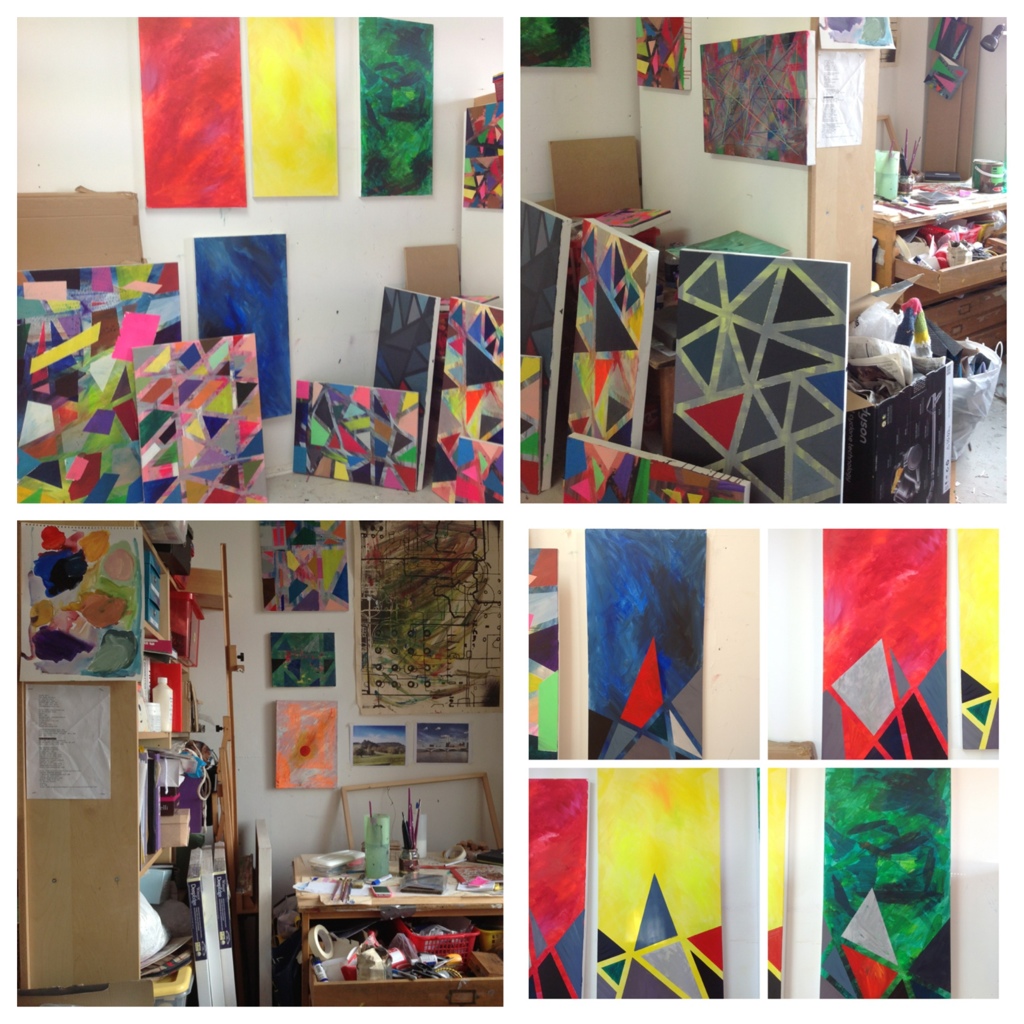
I made it to the studio and got some more paintings finished!

The next stage is to get organised for an exhibition. It feels good to get work completed, and daunting to now have to do the next step and get the work out of the safety of studio space and into the world.

20130807-211513.jpg

© 2013 http://www.sophiemayer.com
Pallent House Gallery 1

This post is split into two because otherwise it would be a very long post!

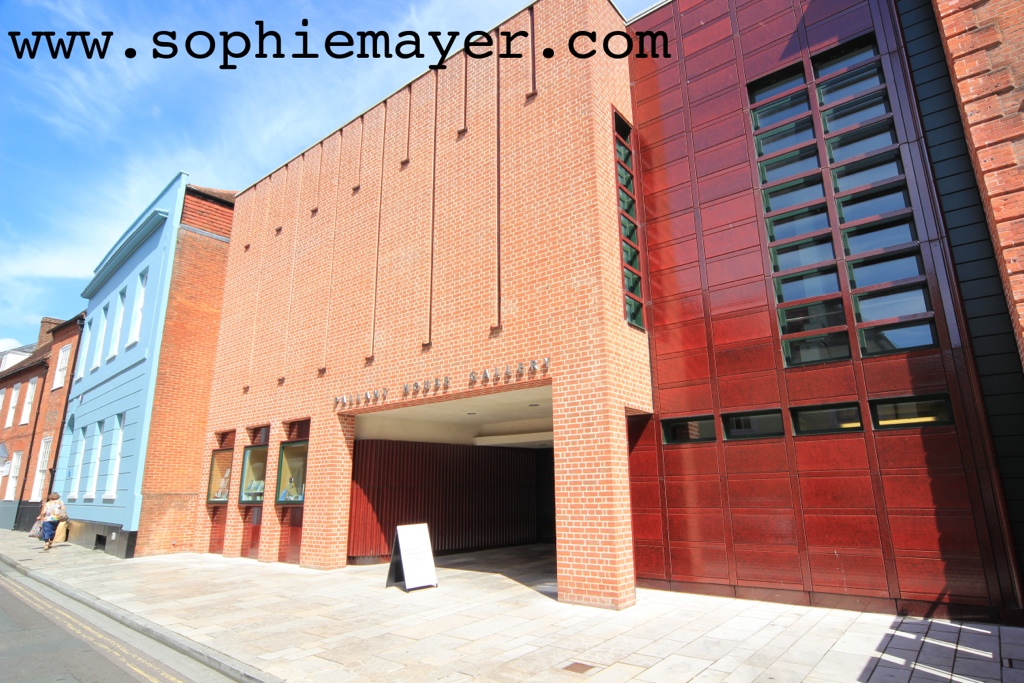
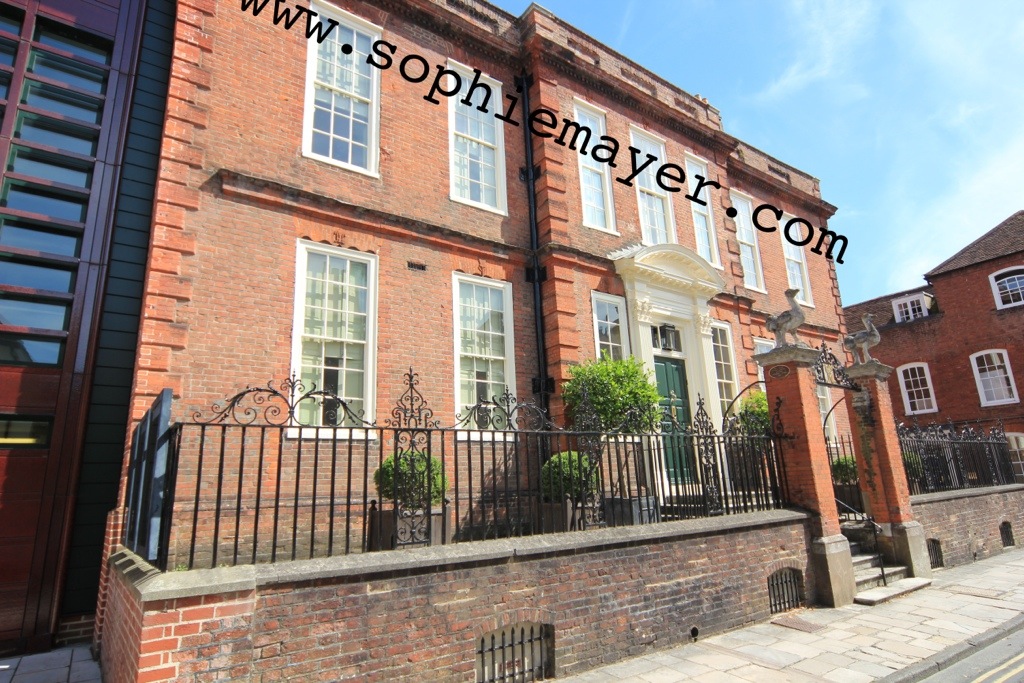
Pallent House is a fantastic gallery in Chichester. It is currently showing a retrospective of Edwardo Paolozzi’s work (on till 13th October 2013) along with the permanent collection.

Pallent House
Along with the current exhibition (in the new part of the gallery) there is also the permanent collection housed in the old house. It is great space, wondering round this beautiful building full with art curated into groups by collector, influence or inspiration. There are models of previous exhibitions, and plans, ceramics, furnature (my favourite being Nina Saunder’s “Autumn Flowers“, a surrealist chair), paintings, a dress/coat made of balloons, photographs and more, all housed in a Grade 1 listed Queen Anne town house (1712)’ with views of the cathedral.

This space is definitely worth a visit! Check out their website for what’s on.

The Collection: (images from google image search)

20130807-085401.jpg
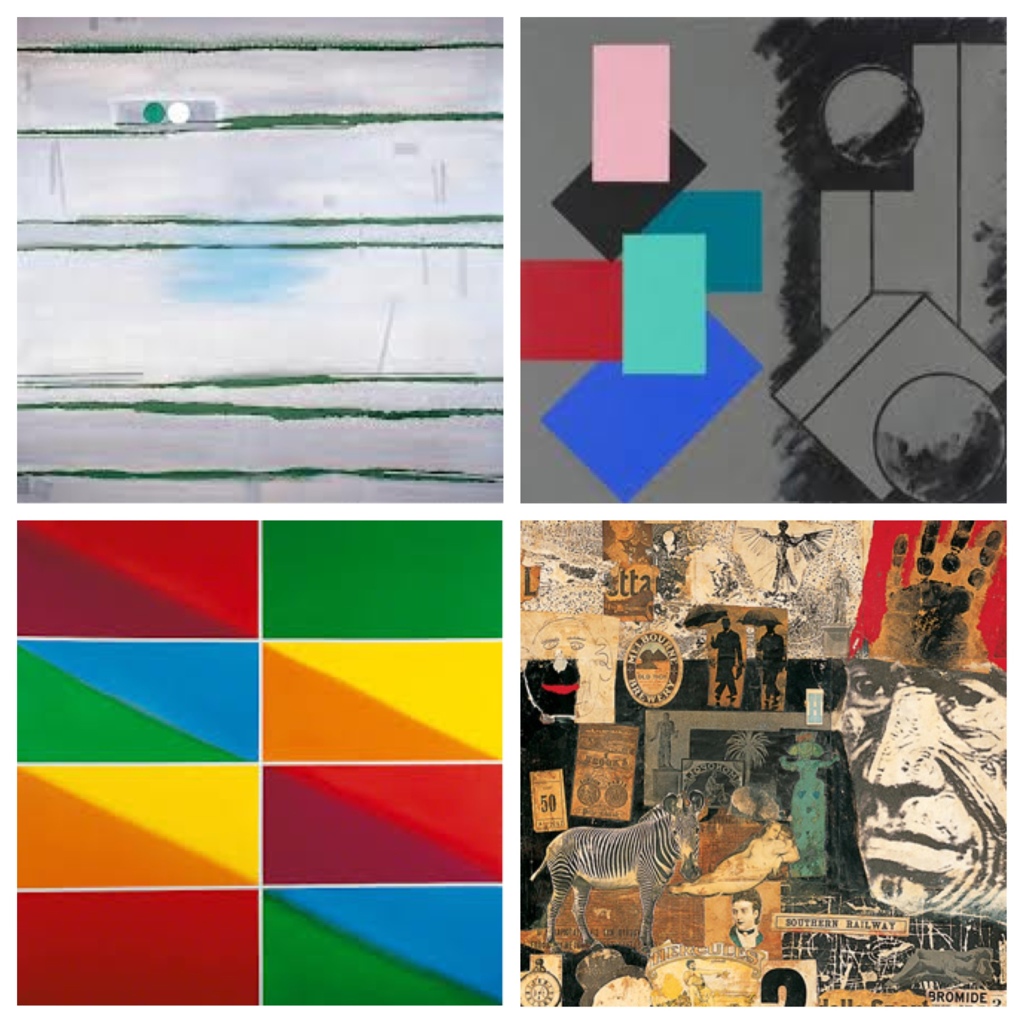
Prunella Clough “disused land” 1999
Paul Huxley “Modus Operandi x” 1993
Mark Lancaster “Cambridge Red and Green ” 1968
Nigel Henderson, 4 Mural Panels (Screen) (detail), 1949-52 and 1960, Collage, oil paint and photographic processes on wood panel

“Pallant House Gallery is home to one of the best collections of Modern British art in the UK, with works by Henry Moore, Walter Sickert, Ben Nicholson, Eduardo Paolozzi and Peter Blake.

The core of this ‘collection of collections’ is Modern British art but other artworks figure such at the Bow Porcelain of the Geoffrey Freeman Collection. Each group of works has been formed by different collectors and different impulses and lends its own character to the collection, making the experience of Pallant House Gallery engaging, insightful and unique.”

20130807-093302.jpg

20130807-093558.jpg

© 2013 http://www.sophiemayer.com